Ever feel like someone is trying to break into your WordPress site? You’re not alone. Hackers are constantly scanning the internet for vulnerable websites, and one of their favorite doors to try is your login page.
Luckily, there are simple yet effective ways to reduce these threats—like hiding your login URL and strengthening overall website security.
In this post, we’ll walk you through how to hide your WordPress login URL, why it’s important, and other easy tips to keep your site secure.
Why Hiding the WordPress Login URL Matters
By default, every WordPress site uses the same login page:yoursite.com/wp-login.php or yoursite.com/wp-admin
That means hackers already know exactly where to go to try brute-force attacks—automated bots that guess thousands of username and password combinations until they (hopefully don’t) get in.
By changing or hiding this login URL, you’re making it harder for attackers to even reach the login page in the first place. It’s like moving the front door of your house to a hidden location—unless someone knows where it is, they can’t knock.
Use WPS Hide Login Plugin (No Code Needed)
The easiest and most beginner-friendly way to hide your login page is by using a plugin like WPS Hide Login.
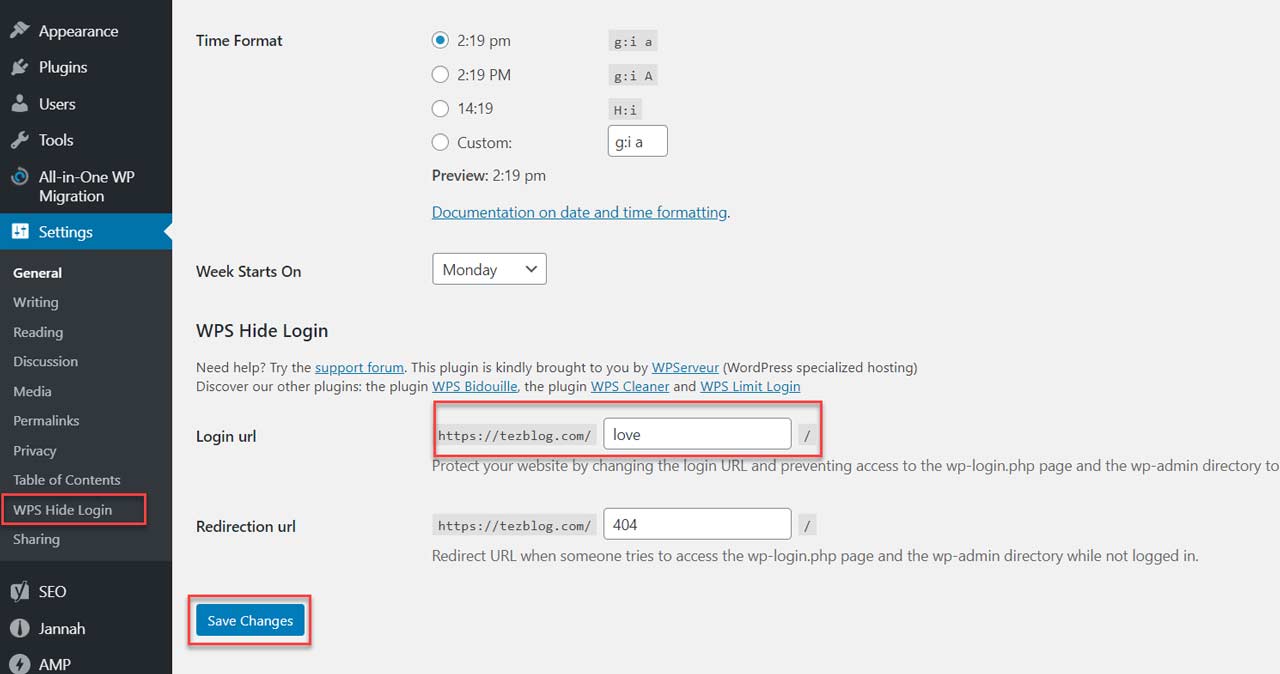
How to Set It Up:
- Go to your WordPress dashboard
Navigate to Plugins > Add New - Search for “WPS Hide Login”
Install and activate the plugin by WPServeur. - Set your new login URL
After activation, go to Settings > WPS Hide Login - Change the login URL
Enter your preferred login slug. For example:/myhiddenloginor/securepanelYour new login page will now be:yoursite.com/myhiddenlogin - Save the URL securely
Bookmark it or store it somewhere safe. If you forget it, you’ll have to disable the plugin via FTP or file manager to regain access.
Bonus: Use Jetpack or Wordfence for Extra Protection
Changing the login URL is just the start. If you want a more well-rounded security setup, consider using plugins like:
- Jetpack – Offers brute force protection, downtime monitoring, and login security.
- Wordfence – Great for firewalls, malware scanning, and limiting login attempts.
More Tips to Secure Your WordPress Login Area
Hiding the login page is smart—but combine it with these habits for better protection:
1. Use Strong Passwords
Avoid using “admin123” or “password” (yes, people still do!). Go for a mix of uppercase, lowercase, numbers, and symbols. Example: X#9tW@7qz!32
2. Avoid Using ‘admin’ as Username
If your username is easy to guess, you’re giving attackers half the answer. Create unique usernames for admin accounts.
3. Limit Login Attempts
By default, WordPress allows unlimited login attempts. Use plugins like Login LockDown or Limit Login Attempts Reloaded to lock out users after a few failed tries.
4. Two-Factor Authentication (2FA)
Add another layer of login security. Use Google Authenticator or similar apps along with your password to log in.
Don’t Reveal Usernames in Posts
Some WordPress themes or plugins display the post author’s username in the URL or meta data. If your admin account also posts blog content, that’s a risk.
Instead:
- Create a separate user role (like “Editor” or “Author”) for posting.
- Keep the admin account private and reserved for backend use only.
Final Thoughts
Hiding your WordPress login URL doesn’t guarantee complete security, but it’s a smart first step in securing your site. When combined with strong passwords, limited login attempts, and a security plugin, it makes your website a much harder target.
🔐 Security is all about layers. Start with hiding the login URL and build from there.
Do you have any questions or ran into issues while trying this? Please drop them in the comments below—I’d be happy to help!